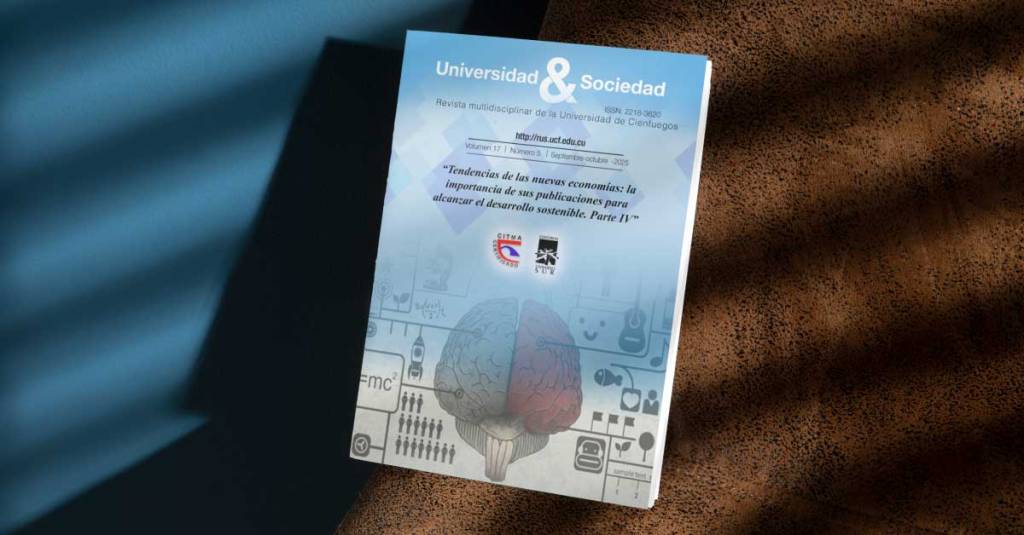
Միջազգային հարթակներում ինտեքսաւորուած “Universidad y Sociedad” գիտական ամսագրում վերջին տարիներին հրապարակուել են «գիտական» մի շարք յօդուածներ, որոնք ունեն քաղաքական կողմնակալ մօտեցումներ, ընդգծուած հակահայկական ու հակագիտական ուղղուածութիւն, պարունակում են բացայայտ կեղծիք, թշնամական վերաբերմունք Հայաստանի Հանրապետութեան ու հայերի նկատմամբ։
Հրապարակուած յօդուածներում, մասնաւորապէս՝
Aliyev Zaur Bilal Oglu. (2020). A vision on Armenian-Turk conflict during the beginning of XX century՝ խեղաթիւրուած են 1915 թ․ Օսմանեան կայսրութիւնում տեղի ունեցած իրադարձութիւնները։ Հայոց ցեղասպանութիւնը, փաթեթաւորելով որպէս հարկադիր միգրացիա եւ հայերին մեղադրելով 518 հազար թուրքերի սպանութեան մէջ, հեղինակը 1915 թուականի իրադարձութիւնները ներկայացնում է ոչ թէ ցեղասպանութիւն, այլ՝ քաղաքացիական պատերազմի ժամանակ «հայերի եւ թուրքերի միջեւ բախում»։ http://scielo.sld.cu/pdf/rc/v16n77/1990-8644-rc-16-77-461.pdf ։ Նոյն հեղինակի մէկ այլ յօդուածում՝ International legal status of Irevan (2023), իրաւական պահանջ է առաջ քաշւում ՀՀ մայրաքաղաք Երեւանի նկատմամբ, http://scielo.sld.cu/pdf/rus/v15n5/2218-3620-rus-15-05-57.pdf։
Bahadur oghlu, F.Y., (2022). Economic relations of the Safavıd State of Azerbaijan with England at the second half of the 16th century – beginning of the 17th century՝ յօդուածում Սէֆեան պետութիւնը ներկայացւում է որպէս ատրպէճանական, http://scielo.sld.cu/pdf/rus/v14n4/2218-3620-rus-14-04-442.pdf։
Aliyev, S. (2024). The embodiment of the spirit of returning to western Azerbaijan in poetry: the formula of memory, homeland, displacement՝ ՀՀ տարածքը ներկայացւում է որպէս «Արեւմտեան Ատրպէյճան», ինչն Ատրպէյճանի կողմից Հայաստանի Հանրապետութեան դէմ ձեւակերպուած տարածքային բացայայտ պահանջ է, որին սպասարկում են ատրպէճանցի պատմաբանները, https://rus.ucf.edu.cu/index.php/rus/article/view/4845/4831։
Այս նամակով «Գեղարդ» գիտավերլուծական հիմնադրամը հրաւիրում է «Universidad y Sociedad» ամսագրի խմբագրական խորհրդի ուշադրութիւնը «գիտական» ներկայացող հանդէսի հրապարակումներին։
Հարկ է նշել, որ «Գեղարդ» հիմնադրամը դիմել է միջազգային գիտատեղեկատուական Citma certificado, Emerging sources citation index, Sci Elo Cuba, Doaj, Citas Latinoamerikanas en Ciencias, Rebit, Latindex շտեմարաններին՝ գիտական էթիկայի քննութիւն սկսելու պահանջով։
Անհրաժեշտութեան դէպքում Հիմնադրամը պատրաստ է շահագրգիռ կազմակերպութիւններին եւ կողմերին փաստարկուած, առաւել մանրամասն ներկայացնել դիտարկումներ, նկատառումներ վերոնշյալ յօդուածներում տեղ գտած խեղաթիւրումների, պատմագիտական կեղծիքների, հակահայկական ու հակագիտական դրսեւորումների վերաբերեալ։
«Գեղարդ» գիտավերլուծական հիմնադրամ
COMPLAINT
From “Geghard” scientific analytical foundation regarding the publication of many pseudo-scientific and anti-Armenian articles in the “Universidad y Sociedad” journal (Cuba).
In recent years, the journal “Universidad y Sociedad” has systematically published articles by Azerbaijani authors containing pseudo-scientific and anti-Armenian statements. An analysis of several materials published in this journal revealed:
· a group of publications with an anti-Armenian focus,
· inadequate and non-rigorous review of articles on South Caucasus topics,
· systematic violation of academic standards.
Below are some historical and political observations regarding the following articles published in the journal “Universidad y Sociedad”:
2. Bahadur oghlu, F.Y., (2022). Economıc relatıons of the Safavıd State of Azerbaıjan wıth England at the second half of the 16th century – begınnıng of the 17th century. Revista Universidad y Sociedad, 14(4), 442-446, http://scielo.sld.cu/pdf/rus/v14n4/2218-3620-rus-14-04-442.pdf․
5. Aliyev, S. (2024). The embodiment of the spirit of returning to western Azerbaijan in poetry: the formula of memory, homeland, displacement. Universidad y Sociedad, 16(S2), 384-393, https://rus.ucf.edu.cu/index.php/rus/article/view/4845/4831․
The analysis revealed that all seven publications demonstrate a consistent tendency towards the political distortion of historical material, the retrospective ethnicisation of the multicultural heritage of the South Caucasus, and the attempt to delegitimise the historical presence of Armenians in the region.
In this regard, the article by Z. Aliyev (Doctor of Philosophy in Political Sciences, Associate Professor, ANAS Institute of Philosophy and Sociology), is particularly indicative. In the article, he promotes Azerbaijan’s historical claims toward the capital of Armenia, Yerevan. In our opinion, the editorial board of the journal should have had sufficient competence to know that Yerevan is an original Armenian city with an autochthonous Armenian population. The same author accuses Armenians of killing more than half a million Turks in 1915, denying the Armenian Genocide.
The topic of the Azerbaijanization of the territory of Armenia is also expressed in the article by Ziyad Amrahov (Associate Professor, PhD on History, Head of Department at Azerbaijan National Academy of Sciences) and Khaqan Balayev (Associate Professor of the Department of General Subjects, Baku Engineering University), where the territory of the Yerevan Khanate is considered a significant administrative-territorial unit of “Northern Azerbaijan” during the period of Tsarist Russia (1850-1917).
Similar narratives appear in the article by S. Aliyev (Doctor, professor at Baku State University), who portrays the territory of Armenia as part of “Western Azerbaijan”. This concept was invented within the last two years to advance Azerbaijan’s territorial claims against Armenia. In reality, the concept of “Western Azerbaijan” is false irredentism and cannot be justified historically. Or Hajiyev, I. M. in his article distorts the history of Nakhichevan, particularly the Armenian history of Nakhichevan.
Azerbaijani authors distinguish themselves through their “masterful reconstructions” of Armenia’s history, politics, and culture and also the wider region. The following are also gross falsifications. For example, Yusif Bahadur Farzaliyev (PhD, Associate Professor) considers the Safavid state to be Azerbaijani, and Gulkhani Panah Vagif gizi Shukurova (Doctor of Philological Sciences, Associate Professor) considers Nizami to be an Azerbaijani poet.
All this indicates that representatives of the academic community of the Republic of Azerbaijan are engaged in serving and exporting the current political demands of the state, violating the principles of academism and science.
Based on the above, we urgently demand:
1. Investigate the mentioned publications.
2. Remove these and similar works from the journal and website.
3. Strengthen the review procedures for articles on topics concerning the region.
4. Ensure compliance with the academic standards of scientific publication.
Կը հաւատանք որ միմիայն խնդիրներուն առարկայական եւ անաչառ մօտեցման միջոցով մեր ժողովուրդը ի վերջոյ կրնայ հաւաքուիլ ազգային երազանքի մը շուրջ եւ շարունակել իր պատմական երթը, դառնալով 21րդ դարու ազգ։






 Ազգ21
Ազգ21 
Մեկնաբանէ